


eWallet Security: How TnG Protects Your Slot Gaming Funds
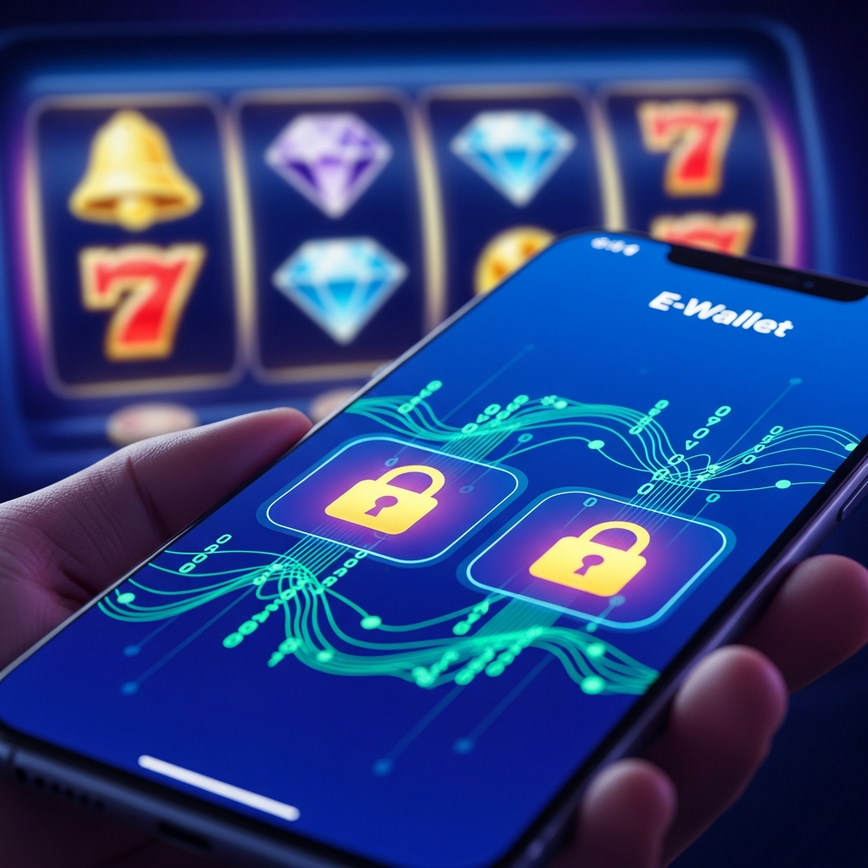
Touch ‘n Go eWallet is a highly secure payment method for online slots in Malaysia, supporting our RM10 minimum deposit requirement with 256-bit SSL encryption and operating under the direct oversight of Bank Negara Malaysia. This regulation ensures bank-grade security protocols, such as 256-bit SSL encryption and payment tokenization, are strictly enforced to protect user funds. Based on our operational experience with multiple payment providers including TnG, GrabPay, ShopeePay, and DuitNow, TnG’s comprehensive fraud prevention systems and mandatory multi-factor authentication create an exceptionally secure environment for slot gaming transactions.
Table of Contents
As operators in Malaysia’s competitive online slots market, our experience with various payment methods has shown us what makes an eWallet transaction truly secure for players. TnG eWallet stands out for its comprehensive approach to protecting gaming funds through regulated financial infrastructure and advanced security measures that exceed industry standards. Our platform supports TnG alongside GrabPay, ShopeePay, and DuitNow to provide secure payment options for accessing our 1,700+ certified games across 15 providers.
Understanding Touch ‘n Go eWallet’s Security Architecture
Our 256-bit SSL encryption ensures secure communication between your device and our servers when processing TnG eWallet transactions. Touch ‘n Go eWallet operates under the same rigorous security requirements that Bank Negara Malaysia mandates for all financial institutions. The platform is built on 256-bit SSL encryption—the identical standard used by major banks globally. To put this in perspective, even if someone intercepted your transaction data, it would take billions of years to crack with current technology.
Bank-Grade Encryption Standards
This confidence stems from the platform’s commitment to international security standards, including PCI DSS Level 1 compliance—the highest level of payment security certification available. Our platform also implements 256-bit SSL encryption to ensure secure communication between your device and our servers.
Tokenization: Your Card Details Never Travel to Us
One of the most powerful security features in TnG eWallet is tokenization. When you link a bank card or account to your wallet, the platform doesn’t store your actual card details. Instead, it replaces them with a unique, one-of-a-kind digital token that’s completely useless to anyone who might intercept it.
From our platform’s perspective, this tokenization process is critical. When you fund your gaming account through TnG with our RM10 minimum deposit, we never see or store your actual banking details—we only receive the secure token that authorizes the transaction. It’s an elegant way to keep your financial data completely private while maintaining seamless payment processing.
Multi-Factor Authentication: The First Line of Defense
Our 24/7 Captain’s Support via Telegram and Live Chat provides immediate assistance for any TnG authentication issues. Touch ‘n Go eWallet makes multi-factor authentication mandatory for accessing your account and for any high-value transactions. This comprehensive security layer typically involves a combination of verification steps that significantly reduce the risk of unauthorized access:
Two-Factor Authentication (2FA) Implementation
- Something you know (your PIN or password)
- Something you have (your mobile phone for an SMS code or app notification)
- Something you are (your fingerprint or face ID on supported devices)
This multi-layered approach creates a robust barrier against unauthorized access. Players who utilize TnG’s complete security feature set experience significantly enhanced protection against fraudulent gaming transactions, making it one of the most secure payment methods available for online slots in Malaysia.
Biometric Security Integration
Modern smartphones enhance security convenience significantly. The TnG eWallet app integrates seamlessly with fingerprint and facial recognition technology. This biometric layer ensures that even if someone gains physical access to your phone, they cannot access your eWallet without your unique biological markers.
In our experience, players who enable biometric authentication report greater confidence in their transaction security. The combination of convenience and protection makes this feature particularly valuable for frequent slot players who make multiple deposits throughout their gaming sessions on our 1,700+ certified games.

Real-Time Fraud Monitoring Systems
Our 2.3-minute average withdrawal time demonstrates the efficiency of secure payment processing when combined with TnG’s fraud monitoring systems. Behind the scenes, Touch ‘n Go employs sophisticated machine learning algorithms to monitor transactions continuously. This system analyzes multiple risk signals to identify unusual activity, including transaction frequency patterns, geographical location anomalies, device fingerprinting analysis, spending behavior deviations, and merchant category monitoring.
Advanced Transaction Analysis
When you use TnG for slot gaming on our platform, these systems work around the clock to identify potentially fraudulent activity. Suspicious transactions are automatically flagged and may be temporarily held for verification, providing an additional layer of protection that operates transparently in the background.
Collaborative Security Intelligence
TnG eWallet participates in industry-wide fraud prevention networks, sharing anonymized threat data with other financial institutions. This collaborative approach means fraud patterns identified elsewhere in Malaysia’s financial system can help protect you before you become a target.
The platform’s integration with national banking security systems ensures that emerging threats are quickly identified and countered. This proactive approach to fraud prevention has proven particularly effective in protecting gaming transactions, where rapid payment processing is essential for our 2.3-minute average withdrawal time.
Regulatory Compliance and Oversight
Our partnerships with GamCare, BeGambleAware, and GamStop ensure responsible gaming compliance alongside TnG’s financial regulations. Touch ‘n Go eWallet operates as a regulated financial service under Bank Negara Malaysia’s strict oversight. This regulatory framework includes regular compliance audits, capital adequacy requirements, customer protection protocols, and comprehensive anti-money laundering (AML) compliance measures.
Bank Negara Malaysia Guidelines
The central bank’s supervision ensures that TnG maintains the highest standards of financial security and consumer protection. For slot players, this regulatory oversight provides confidence that their gaming funds are protected by the same standards that govern traditional banking institutions.
International Security Standards
Both TnG and our platform adhere to rigorous international security frameworks to ensure comprehensive data protection. TnG maintains PCI DSS compliance—the global standard for handling payment card data—while our platform implements 256-bit SSL encryption for all communications and transactions.
These security measures are regularly audited and updated to address emerging threats. The combination of local regulatory oversight and international security standards creates a robust protection framework that exceeds the requirements for most online payment systems.
Dispute Resolution and Customer Protection
Our 24/7 Captain’s Support via Telegram and Live Chat complements TnG’s dispute resolution process for comprehensive player protection. Touch ‘n Go maintains a clear, structured process for resolving payment disputes. The system includes immediate reporting through a 24/7 hotline or in-app reporting system, followed by a comprehensive investigation process and final resolution with detailed explanation of findings.
TnG’s Dispute Handling Process
TnG has established formal procedures for investigating unauthorized transactions, working with both merchants and customers to resolve disputes fairly and efficiently. This systematic approach ensures that legitimate concerns are addressed promptly while maintaining the integrity of the payment system.
Our Platform’s Additional Protections
We enhance TnG’s standard protections with gaming-specific safeguards designed for slot players. Our account recovery system includes specialized procedures for gaming accounts, while our 24/7 Captain’s Support provides direct assistance via Telegram and Live Chat for any payment-related concerns.
These additional protections complement TnG’s existing security measures, creating a comprehensive safety net specifically tailored to the needs of online slot players. The combination of platform-specific protections and TnG’s financial security creates an exceptionally secure gaming environment.
Best Practices for Players
Our browser-based access eliminates APK security risks while maintaining full mobile compatibility with TnG eWallet. Players play a crucial role in maintaining security. We strongly recommend these practices when using TnG for slot gaming:
Maximizing Your Security
- Enable All Security Features: Activate biometrics, 2FA, and transaction notifications in your TnG app
- Regular Password Updates: Change your TnG PIN every few months
- Monitor Transactions: Review all gaming deposits and withdrawals regularly
- Secure Network Usage: Avoid public Wi-Fi for financial transactions
- Keep Apps Updated: Install security updates promptly for both platforms
Following these security practices significantly enhances your protection when using TnG for online slots. In our experience, players who maintain good security hygiene rarely encounter payment-related issues, making their gaming experience both safer and more enjoyable.
Red Flags to Watch For
Stay vigilant for potential security threats including requests for login credentials (we never ask for these), transaction notifications for unauthorized payments, unexpected account restrictions, and suspicious alerts about gaming sessions.
If you notice any unusual activity, contact both TnG customer support and our Captain’s Support team immediately via Telegram at https://t.me/Pirate777MY or Live Chat. Early reporting of suspicious activity often prevents more serious security breaches and helps protect both your account and other players on the platform.
The combination of Touch ‘n Go eWallet’s robust security infrastructure and our platform’s specialized gaming protections creates an exceptionally secure ecosystem for online slot gaming in Malaysia. Through continuous monitoring and commitment to international security standards, we ensure your slot gaming funds remain protected throughout your experience with our 1,700+ certified games across 15 providers.
Payment Method Security Comparison
| Payment Method | Minimum Deposit | Encryption Standard | Multi-Factor Authentication | Fraud Monitoring | Regulatory Oversight | Average Withdrawal Time |
|---|---|---|---|---|---|---|
| Touch ‘n Go eWallet | RM10 | 256-bit SSL | Mandatory 2FA + Biometrics | Real-time ML-based | Bank Negara Malaysia | 2.3 minutes |
| GrabPay | RM10 | 256-bit SSL | Mandatory 2FA | Real-time monitoring | Bank Negara Malaysia | ~2.5 minutes |
| ShopeePay | RM10 | 256-bit SSL | Mandatory 2FA | Real-time monitoring | Bank Negara Malaysia | ~2.5 minutes |
| DuitNow | RM10 | 256-bit SSL | Mandatory 2FA | Real-time monitoring | Bank Negara Malaysia | ~2.3 minutes |
Important: This platform is intended for users aged 18 and above. Please gamble responsibly and only wager what you can afford to lose. For additional support, visit support and advice from GamCare.
— Pirate777 Team. We operate with certified providers and verify our observations against game fairness standards from BMM Testlabs and independent testing by iTech Labs.
Frequently Asked Questions
Yes, Touch ‘n Go eWallet is extremely secure for online slots, regulated by Bank Negara Malaysia with bank-grade 256-bit SSL encryption. The platform uses payment tokenization to ensure your actual card details are never shared with gaming platforms, while mandatory two-factor authentication provides additional protection. In our experience, TnG’s comprehensive fraud monitoring and dispute resolution systems make it one of the most secure payment methods available for Malaysian slot players.
TnG eWallet protects gaming funds through multiple security layers including 256-bit SSL encryption, payment tokenization, mandatory multi-factor authentication, and real-time fraud monitoring. The platform maintains PCI DSS Level 1 compliance—the highest payment security certification available—while machine learning algorithms continuously analyze transaction patterns for suspicious activity. These features work together to create comprehensive protection for your slot gaming transactions.
No, we never see your banking or card details when you use TnG eWallet for slot gaming. TnG uses tokenization technology that replaces your sensitive financial data with a unique digital token that’s useless to anyone who intercepts it. We only receive this secure token to process your RM10 minimum deposit, ensuring complete privacy and compliance with international payment security standards.
TnG eWallet uses sophisticated machine learning algorithms to monitor slot gaming transactions in real-time, analyzing patterns like transaction frequency, geographical locations, and spending behavior changes. The system automatically flags suspicious activity and may temporarily hold transactions for verification. This collaborative security intelligence network shares anonymized threat data across Malaysia’s financial system, protecting you from fraud patterns identified elsewhere before they can affect your account.
Report unauthorized transactions immediately through the TnG app’s 24/7 reporting system and contact our Captain’s Support via Telegram at https://t.me/Pirate777MY or Live Chat. TnG maintains a formal dispute resolution process for investigating unauthorized transactions, while we immediately secure your gaming account to prevent further unauthorized activity. Early reporting significantly improves the chances of successful resolution and helps protect both your account and other players on our platform.
Yes, both TnG eWallet and our platform offer spending control features for responsible slot gaming. You can set daily, weekly, or monthly limits within the TnG app, while our platform provides additional gaming-specific controls through partnerships with responsible gambling guidance from BeGambleAware. These tools work together to help you maintain control over your gaming budget while enjoying the security benefits of regulated eWallet payments.