



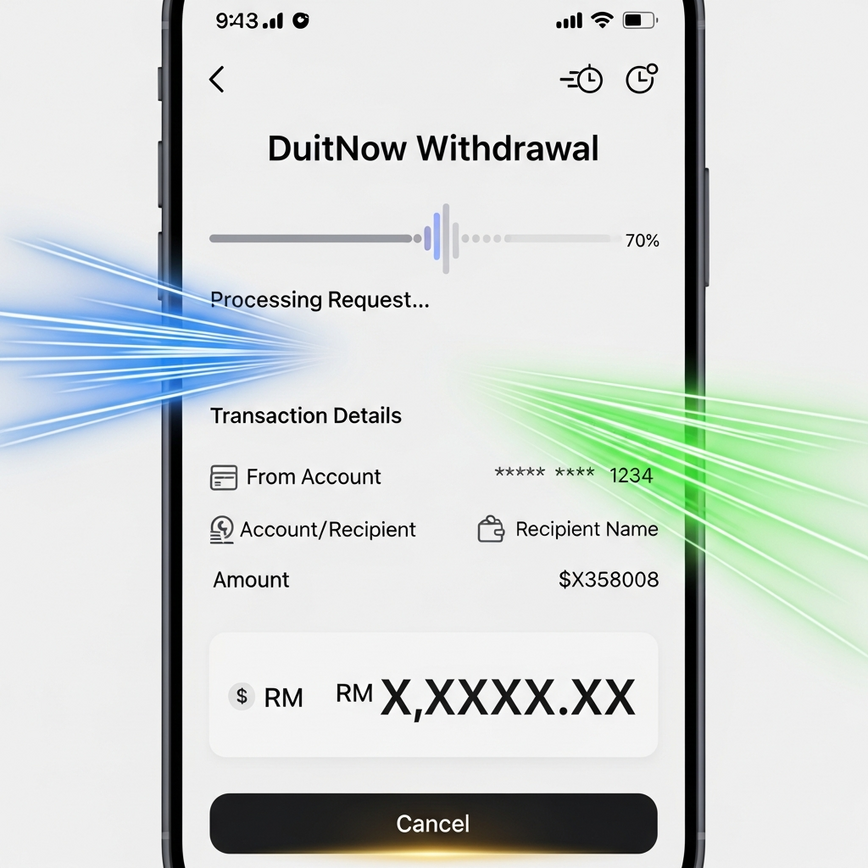
Peak Hours vs Off-Peak: When to Withdraw via DuitNow for Fastest Processing
We monitor DuitNow withdrawals closely and report a 2.3-minute average processing time from our internal monitoring. Timing your withdrawal can reduce end-to-end delays because network traffic patterns affect crediting speed. This guide explains how our platform’s monitoring identifies faster windows and practical steps you can take to improve withdrawal timing.
Table of Contents
- Understanding DuitNow Peak vs Off-Peak Performance
- Best Times to Withdraw via DuitNow
- Peak Hours to Avoid for DuitNow Withdrawals
- Factors Beyond Timing That Affect DuitNow Speed
- Real-Time Monitoring and Platform Performance
- Platform Integration with Malaysia’s Payment Infrastructure
- Maximizing Your DuitNow Withdrawal Strategy
Understanding DuitNow Peak vs Off-Peak Performance

“DuitNow performance depends on overall network traffic and individual bank load, producing clear daily windows.” DuitNow operates on Malaysia’s real-time payment infrastructure, and our platform routes withdrawal requests through that network. Technical documentation in the World Bank Fast Payments Database describes real-time clearing characteristics and helps explain why throughput varies by hour: Real-time Retail Payments Platform reference. Our internal monitoring shows distinct performance windows across the day; some windows are consistently faster while others experience heavier queuing and slower end-to-end crediting.
| Time Period | Typical Speed | Network Traffic | Recommended Action |
|---|---|---|---|
| Late night / Early morning (overnight) | Fastest | Low | Best window for quick crediting |
| Standard business hours | Slower | High | Avoid where possible to reduce delays |
| Evening (after business hours) | Moderate | Moderate | Good alternative to overnight |
Best Times to Withdraw via DuitNow
“The fastest and most reliable window is typically overnight.” The optimal withdrawal window is generally overnight, when both banking networks and our platform experience minimal traffic and processing tends to be quicker. Late evening hours represent a strong secondary window that avoids standard business congestion while maintaining reasonable speed. Weekend mornings before typical banking hours also tend to be quieter. Plan withdrawals during these quieter windows for the highest probability of quicker crediting.
Recommended Withdrawal Schedule:
1. Overnight (late night to early morning) — Fastest processing window
2. Evening (after standard business hours) — Good alternative window
3. Weekend mornings — Often quieter and reliable
4. Public holidays — Reduced commercial banking traffic can improve speeds
Peak Hours to Avoid for DuitNow Withdrawals
“Avoid standard business hours where network congestion pushes processing times higher.” Standard banking hours represent the busiest period for Malaysia’s payment networks, and our monitoring shows these periods can experience noticeable delays. Lunch hours are a particularly congested slot as personal and business traffic overlap. Month-end periods also see elevated volumes as payroll and recurring payments concentrate load. While we operate 24/7, external network delays during these windows can affect end-to-end timing, so plan withdrawals outside these peak periods when possible.
Factors Beyond Timing That Affect DuitNow Speed
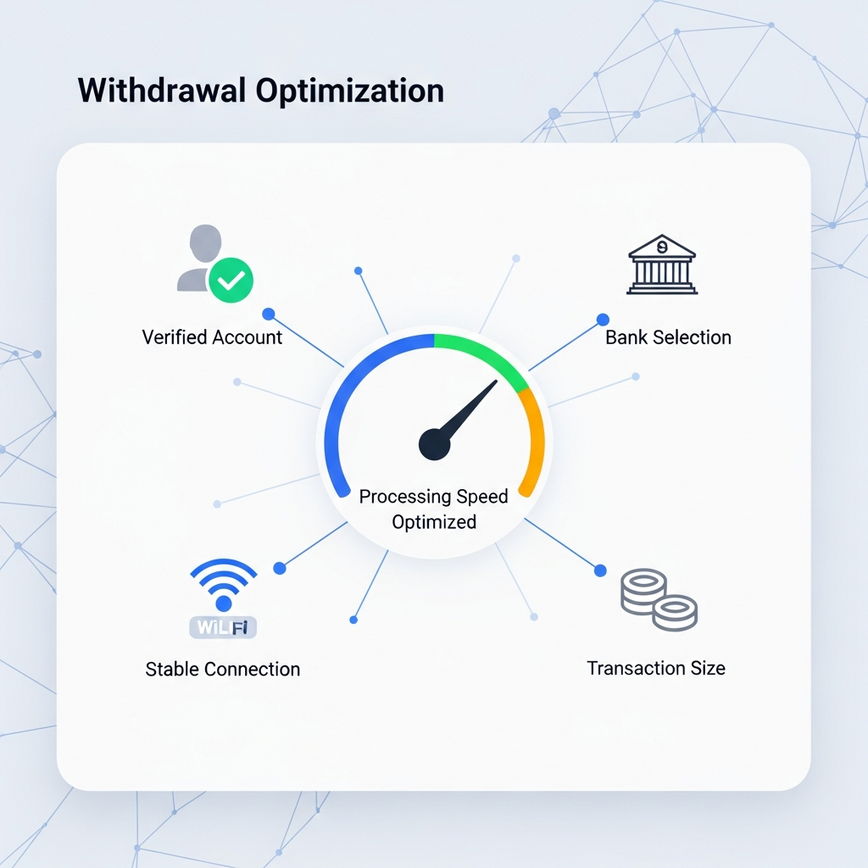
“Bank processing rules, account verification and transaction size materially affect crediting speed.” Your bank’s internal processing capability is a major determinant of final crediting time even after the DuitNow network routes the transfer. Account verification status affects speed: fully verified accounts move through without additional checks, while incomplete verification can introduce delays at any hour. Withdrawal amount can trigger extra security reviews within banking systems; our RM50 minimum and RM100,000 maximum limits accommodate most needs, but larger transfers may be subject to additional checks. Network connectivity on the user side also matters for request submission reliability.
| Factor | Impact on Speed | Optimization Tip |
|---|---|---|
| Bank selection | High | Use banks with strong real‑time crediting performance |
| Account verification | High | Complete verification before first withdrawal |
| Withdrawal amount | Low to medium | Large amounts may be reviewed; plan accordingly |
| Network connectivity | Medium | Use a stable internet connection when submitting requests |
Real-Time Monitoring and Platform Performance
“We monitor processing in real time to identify optimal windows and to update players when conditions change.” Our platform maintains continuous monitoring of DuitNow processing performance, and this telemetry is the basis for the 2.3-minute average figure we report from our internal monitoring. When network conditions cause longer delays, our Captain’s Support team issues proactive updates to players through our Telegram community. This monitoring also helps us spot trends and recommend scheduling patterns that commonly deliver faster outcomes.
Platform Integration with Malaysia’s Payment Infrastructure
“DuitNow is one of our fastest withdrawal options due to its integration with national realtime rails.” DuitNow integration provides real-time routing between participating banks. For technical reference on real-time clearing and settlement see the World Bank Fast Payments Database entry: Real-time Retail Payments Platform. We also offer alternative fast methods on our platform; each method operates under its own rules and limits, and all financial features are subject to terms. Our 256‑bit SSL encryption protects withdrawal requests regardless of timing, and we enforce a RM10,000 daily withdrawal limit (allowing up to 3 separate withdrawals per day) to balance flexibility and security.
Maximizing Your DuitNow Withdrawal Strategy
“Combine an understanding of network windows with personal schedule choices to maximise speed.” Successful timing aligns your withdrawal with quieter network windows and ensures your account details and verification are complete. Players who finish sessions in the evening can use later evening windows for prompt results, while late-night players targeting overnight windows typically see the quickest end-to-end processing. Weekend early mornings are also reliable. Remember that our platform processes withdrawals 24/7; timing optimisation focuses on network traffic rather than platform availability.
Responsible Gaming: We reference safer gambling practices from GamCare and provide links to international gambling support services. Set withdrawal limits that align with your budget and gaming goals and seek support if gambling becomes a problem.
18+ Only: This platform is intended for users 18 years and older. Gambling can be addictive — please play responsibly.
— Pirate777 Team. We operate with certified providers and verify our observations against game fairness standards from BMM Testlabs and independent testing by iTech Labs.
Frequently Asked Questions
The best time to withdraw via DuitNow is during off-peak hours, specifically overnight from late night to early morning. This window experiences the lowest network traffic, resulting in the fastest processing and crediting to your bank account. Our internal monitoring shows these quieter periods are key to achieving our 2.3-minute average withdrawal time. We recommend scheduling withdrawals during this overnight window to avoid common daytime delays.
The primary difference is the network speed due to traffic volume. Off-peak withdrawals, such as those made overnight, are fastest because Malaysia’s banking networks are quiet. In contrast, peak withdrawals during standard business hours are slower due to high congestion from business and personal transactions. While Pirate777 processes withdrawals 24/7, our data clearly shows that avoiding peak times like lunch hours results in quicker crediting.
To get your DuitNow withdrawal fastest, submit your request during off-peak hours like overnight or on weekend mornings. Ensuring your account is fully verified before your first withdrawal is also crucial to prevent processing holds. While our platform averages a 2.3-minute processing time, timing your request outside of congested business hours is the most effective strategy for rapid crediting.
DuitNow peak hours in Malaysia are the times with the highest transaction volume on the national banking network, which are typically standard business hours. These periods, especially lunch hours and month-end, experience more network congestion that can slow down crediting times significantly. Our data shows that withdrawals made during these hours can take longer than our platform’s 2.3-minute average, so we advise players to avoid them when possible.
A DuitNow withdrawal delay during off-peak hours is usually caused by factors other than network traffic, such as your bank’s internal processing rules or an incomplete account verification. For example, a large withdrawal amount may trigger an extra security review by your bank, even though our minimum is just RM50. At Pirate777, we ensure our system processes requests 24/7, but these external factors can still affect the final crediting speed.
Yes, it is completely safe to withdraw using DuitNow at any time, day or night. All withdrawal requests on our platform are protected by 256-bit SSL encryption to secure your financial data, regardless of when you submit them. While timing affects the processing speed, it has no impact on the security of your transaction. We also enforce a daily withdrawal limit of RM10,000 to balance player flexibility with robust security.